
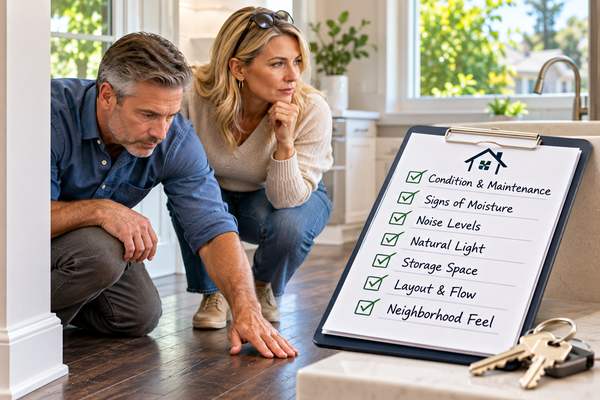
Online listings are powerful. They can make a home look bright, spacious, and flawless — sometimes too flawless. Professional photography and editing are designed to highlight a property’s best features, but they can’t capture everything. When you step inside for a showing, you’re entering the reality behind the pixels. What you notice in person often tells a deeper story about how the home truly lives, feels, and functions. It’s important to know what to look for during a showing that photos never reveal — the details that separate a “pretty listing” from a smart purchase.
The Light That Lives There — Not the Light That’s Staged
Photos are often taken at the perfect time of day, with every light turned on and curtains pulled just right. But natural light changes dramatically throughout the day.
- Check the direction of sunlight. Morning light in east‑facing rooms feels gentle and warm; afternoon light in west‑facing rooms can be harsh or hot.
- Notice shadows and glare. A bright photo might hide the fact that the living room feels dim at 3 PM or that the kitchen blinds need to stay closed to block glare.
- Look at artificial lighting. Are fixtures evenly spaced? Are bulbs mismatched? Lighting affects mood and resale value more than most buyers realize.
A home’s “feel” is often defined by its light — and that’s something no photo can fully capture.
The Smells That Tell the Story
Scent is invisible online, but it’s one of the most revealing clues about a home’s condition.
- Musty or damp odors can indicate moisture problems, leaks, or poor ventilation.
- Strong fragrances or candles might be masking something — pet odors, smoke, or mildew.
- Kitchen and laundry smells can hint at how well the home’s ventilation systems work.
Take a slow breath when you walk in. If the air feels heavy or perfumed, ask questions. A home that smells “off” may need more than a deep clean.
The Sounds of the Neighborhood
Photos freeze a moment in silence. Reality doesn’t.
- Step outside and listen for traffic, trains, or nearby businesses.
- Inside, notice how well the home blocks outside noise. Thin windows or hollow doors can make even quiet streets sound busy.
- If possible, visit at different times of day. A peaceful morning might turn into a noisy evening once neighbors return home.
Sound affects comfort and resale value. Buyers rarely regret choosing the quieter option.
The Flow and Function of Space
Photos can make rooms look larger or more connected than they are. During a showing, pay attention to how the home actually flows.
- Walk the path from entry to kitchen to living area. Does it feel natural or awkward?
- Check door swings and furniture placement. A photo won’t show that a door blocks a hallway or that the dining table barely fits.
- Imagine daily routines. Where do you drop your keys? How far is the laundry from the bedrooms?
A home’s layout should support your lifestyle — not fight it.
The Quality of Construction and Finishes
Zoomed‑in photos can make materials look high‑end. In person, you’ll see what’s real.
- Touch surfaces. Are cabinets solid wood or laminate? Are countertops cold stone or warm composite?
- Inspect trim and corners. Gaps, uneven paint, or cracked caulk reveal rushed workmanship.
- Look at floors. Do they creak, slope, or show signs of patching?
Quality isn’t just about aesthetics — it’s about longevity. A well‑built home feels sturdy underfoot and solid in your hands.
The Plumbing Personality
Water issues are among the most expensive surprises buyers face, and photos never show them.
- Run faucets and showers. Check water pressure and temperature consistency.
- Flush toilets. Slow drains or gurgling sounds can signal plumbing problems.
- Look under sinks. Stains, corrosion, or warped wood mean leaks.
- Inspect around tubs and toilets. Soft floors or cracked grout can indicate hidden moisture.
A few minutes of testing can save thousands in repairs later.
The Temperature and Air Quality
Photos can’t tell you if the home feels stuffy, drafty, or unevenly heated.
- Notice temperature differences between rooms.
- Check vents and returns. Are they clean and unobstructed?
- Ask about insulation and HVAC age. Older systems may struggle to maintain comfort.
- Feel for drafts near windows and doors — especially in older homes.
Comfort is invisible in photos but unforgettable in person.
The Maintenance Mindset
A home’s condition reflects how it’s been cared for. Look beyond the décor.
- Inspect baseboards, outlets, and hinges. Are they clean and functional?
- Peek into closets and utility rooms. Organized spaces often mean organized owners.
- Check exterior details. Peeling paint, clogged gutters, or cracked driveways hint at deferred maintenance.
A well‑maintained home tells you the seller has respected the property — and likely handled repairs promptly.
The Lot and Location Realities
Photos can make yards look larger, flatter, or more private than they are.
- Walk the perimeter. Notice slopes, drainage, and neighboring sightlines.
- Listen for nearby activity. A photo won’t reveal that the backyard backs up to a busy road.
- Check sunlight and shade. Trees may block light or drop debris.
- Look at parking and access. Is the driveway steep? Is street parking limited?
The setting of a home shapes your daily experience as much as the structure itself.
The View From Every Window
Listing photos often show the best angle — maybe one scenic shot from the living room. But every window tells a story.
- Look out each window. What do you see — rooftops, fences, or open sky?
- Check privacy. Can neighbors see directly inside?
- Notice window condition. Foggy panes or cracked seals mean replacements are coming.
Views affect both enjoyment and resale. A home that feels open and private will always stand out.
The Emotional “Fit”
Finally, tune into your instincts. Photos can’t convey the emotional connection you feel when you walk through a home.
- Does it feel welcoming or cold?
- Can you imagine your furniture, your routines, your life here?
- Do you find yourself smiling as you explore — or making excuses for things that don’t feel right?
Buying a home is both logical and emotional. Trust the data, but listen to your gut.
Photos are marketing tools. Showings are reality checks. They reveal the subtle truths that cameras can’t capture: the way light moves, the air smells, the floors creak, and the neighborhood hums. When you walk through a home, you’re not just inspecting walls and windows — you’re discovering how it lives.
So slow down. Touch surfaces. Listen. Breathe. Ask questions.
Because the best homes aren’t just beautiful in pictures — they’re beautiful in person.