
Buying or selling a home isn’t just a financial transaction — it’s an emotional journey. Behind every offer, every showing, and every closing lies a complex web of human psychology. People don’t simply buy square footage or walk away from a deal because of numbers on a spreadsheet. Buyers often act on instinct emotion, and perception — often long before logic catches up.
The Emotional Drivers Behind Buying
At its core, real estate is about identity and belonging. A home represents safety, comfort, and self‑expression. Buyers are rarely just looking for walls and a roof; they’re searching for a reflection of who they are — or who they want to become.
Security and Stability: Owning a home satisfies one of our most basic psychological needs — safety. It’s the tangible proof of stability, a place to retreat from uncertainty.
Status and Achievement: For many, buying a home marks a milestone — a symbol of success and independence. The “dream home” isn’t just about comfort; it’s about validation. It says, I’ve made it.
Nostalgia and Memory:
Buyers often chase emotional echoes — the smell of a childhood kitchen, the sound of a porch swing, the view that reminds them of summers past. These sensory triggers can override rational considerations like commute time or maintenance costs.
Hope and Future Vision:
A home is a canvas for future dreams. Buyers imagine holidays around the dining table, children playing in the yard, or quiet mornings with coffee on the patio. That vision fuels motivation more powerfully than any market statistic.
The Subconscious Influences at Play
Real estate decisions almost always involve a subconscious component. Research in psychology and behavioral economics has shown that emotions and cognitive biases can influence financial decision-making, even when people are also weighing objective information.
First Impressions Rule: The brain forms snap judgments based on sensory cues — light, smell, temperature, and spatial flow. A bright, airy space triggers feelings of openness and optimism. A dark or cluttered one can evoke anxiety or confinement.
The Halo Effect: When one feature stands out — say, a stunning kitchen or ocean view — buyers often overlook flaws elsewhere. The positive emotion “spills over,” coloring the entire perception of the property.
Loss Aversion: Psychologically, people fear losing an opportunity more than they value gaining one. Phrases like “multiple offers” or “won’t last long” are often used to create a sense of urgency. The fear of missing out (FOMO) is a powerful motivator.
Anchoring Bias: The first price a buyer sees — even if it’s high — becomes the mental anchor. Subsequent comparisons are filtered through that lens, shaping what feels “reasonable.”
Why People Walk Away
When the dream collides with reality, the mind steps in to restore balance.
Cognitive Dissonance: Buyers experience tension when their emotions say “yes” but logic says “no.” Maybe the inspection reveals costly repairs, or the monthly payment feels heavier than expected. To reduce discomfort, they rationalize walking away — convincing themselves it “wasn’t meant to be.”
Fear of Commitment: A home purchase is one of life’s biggest commitments. For some, the permanence triggers anxiety — the fear of being “locked in.” This is especially common among first‑time buyers who equate ownership with loss of freedom.
Overwhelm and Decision Fatigue: After weeks of showings, paperwork, and negotiations, mental exhaustion sets in. The brain seeks relief by avoiding further decisions — even if it means abandoning a promising deal.
Mismatch Between Expectation and Reality: When the emotional picture painted during showings doesn’t align with the inspection report or appraisal, disappointment can be sharp. Buyers walk away not just from the property, but from the emotional letdown.
The Seller’s Side of Psychology
Sellers are equally driven by emotion. Letting go of a home often feels like parting with a chapter of life. That attachment can cloud judgment and influence negotiation.
Endowment Effect: People assign higher value to things they own simply because they own them. Sellers often overprice homes because they see memories, not market data.
Identity and Pride: A home reflects personal taste and effort. Criticism from buyers — even about paint colors or layout — can feel personal. Skilled agents act as emotional buffers, translating feedback into constructive insight.
Fear of Regret: Sellers worry about selling too low or too soon. This fear can lead to hesitation, withdrawn listings, or rejecting fair offers. Ironically, the same fear of loss that drives buyers to act can cause sellers to freeze.
The Role of the Real Estate Professional
Understanding psychology isn’t just helpful — it’s essential. The best agents act as emotional interpreters, guiding clients through the highs and lows of decision‑making.
Empathy Alongside Expertise: Buyers and sellers don’t just need market data; they need reassurance. A calm, confident agent helps clients feel safe enough to make decisions.
Framing and Perspective: How information is presented matters. Saying “This home is priced below market value” can trigger a buyer to think this is an opportunity. Saying “The seller is desperate” on the other hand can trigger suspicion. The framing shapes emotional response.
Managing Expectations: Setting realistic expectations early prevents emotional whiplash later. When clients understand the process, surprises don’t feel like betrayals.
Reframing Regret: When deals fall apart, agents can help clients see it as redirection, not failure. “The right home is still out there” isn’t just a cliché — it’s psychological recovery.
Turning Emotion Into Insight
Real estate is a mirror of human nature. Every open house, every negotiation, every closing table reveals how deeply emotion drives behavior. Buyers seek belonging, sellers seek validation, and both crave certainty in an uncertain world.
Understanding these psychological currents doesn’t just make transactions smoother — it makes them more humane. When agents recognize that behind every decision lies a story, they can guide clients with compassion and clarity.
A Coastal Perspective
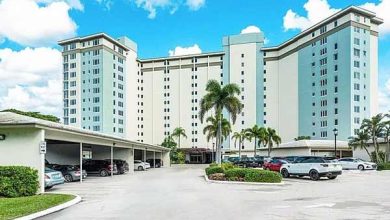
In markets like Florida’s Treasure Coast, emotion runs especially high. Buyers aren’t just purchasing property; they’re buying a lifestyle — the sound of waves, the promise of sunshine, the dream of escape. That dream amplifies both excitement and fear. Some fall in love instantly; others hesitate, worried the fantasy won’t match reality. Recognizing that tension helps professionals navigate the delicate balance between aspiration and practicality.
The psychology of real estate reminds us that homes aren’t commodities — they’re emotional investments. People buy when they feel seen, safe, and inspired. They walk away when those feelings fade. The numbers matter, but in many cases the heart decides.
Emotion vs. Financial Reality
Emotional connection is part of buying a home, but it shouldn’t replace careful financial analysis. Buyers should consider the mortgage payment, property taxes, homeowners insurance, HOA fees, maintenance, repairs, and other costs before deciding what they can comfortably afford. A home can feel perfect and still be the wrong financial decision.