Preparing Your House for the Market
Take the steps to insure your house is ready to sell.


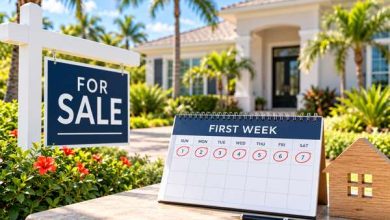
You may think that buying a house is as easy as putting a ‘For Sale’ sign in the yard and a neighbor walking in and saying, “I’ll buy it for whatever you’d like.” If it were only that simple!
- Hiring a real estate professional
- Preparing your home for showings
- Pricing your home correctly
- Reviewing and negotiating offers
- Setting Realistic Expectations
- Understanding buyer financing
- Attorney or title review, where applicable
- Inspections
- Appraisals
- Closing
There are so many crucial steps and multiple people involved when a house is ready to be put up for sale. It’s hard to believe all of the “behind the scenes” from listing to closing! To begin, always start with hiring a professional, licensed sales associate to represent you. Make sure they are qualified and knowledgeable about the local market. Be sure they are familiar with the specific area where your house is located. Local market knowledge is important when selecting appropriate comparable sales and determining a competitive listing price.
KNOW THE MARKET
One of the most crucial steps is knowing what the market is telling us today! NOT 5 years ago, 2 years ago, or even 6 months ago. Just because your neighbor’s house sold for a certain price doesn’t necessarily mean your home will sell for the same amount. Please keep in mind that you may not get the same luck! Ultimately, a property’s market value is influenced by what qualified buyers are willing to pay under current market conditions.
- Home values can change as market conditions evolve, so recent comparable sales are generally more useful than older transactions when determining an appropriate listing price. Neighboring properties are crucial to keep your eye on to determine the best listing price for your home.
CONSIDER ALL OFFERS
Once the right buyer walks into and falls in love with your home, the negotiations begin! You now receive a purchase offer for your house, perhaps multiple offers! As a seller, be sure to look at all of the terms and conditions. Is the buyer willing to pay all cash? Are there contingencies, such as inspections or repairs that the buyer is asking the seller to credit? It’s important to look at all of the factors before determining which will suit your situation the best.
FINANCING
Keep in mind that if there are lenders involved, it may be a time-consuming process. The process can also vary depending on the type of mortgage the buyer is using. We have all heard that “CASH IS KING”!! Well, this certainly is true when it comes to purchasing a home. You’ll likely close faster and be able to bypass the headaches involved with financing. Buying a property with cash will help you skip the underwriting process and bank appraisals.
Depending on what state you are buying or selling, legal representation may be mandatory. The role of attorneys and title professionals varies by state. In New York, attorneys commonly play a significant role in residential real estate contracts and closings, while in Florida, title companies often handle many aspects of the closing process. Your real estate professional can explain the typical closing process in your area, while an attorney can provide legal advice regarding contracts and your rights and obligations
INSPECTION
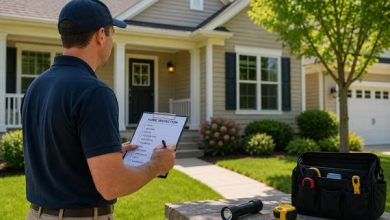
Now it’s time to schedule a home inspection, and if preferred, a radon test. Home inspectors vary on the services they provide. Some include pest inspections, otherwise known as Wood Destroying Organisms (WDO). The buyer will schedule a time for the inspector to come into the home they plan on purchasing. The buyer’s agent will generally meet them at the property, as well as the buyers, if they choose to attend. Once again, depending on the area you live in, the inspections will cover different things. The home inspector will look for structural damage, safety hazards, or needed repairs. They examine the interior and exterior of the premises.
Common inspections include:
- General home inspection
- Radon testing
- Septic inspection, where applicable
- Wood-destroying organism (WDO) inspection
- Other specialized inspections based on the property and location
Appraisal
When a buyer is financing a purchase, the lender will typically require an appraisal. The buyer’s lender typically orders the appraisal through an independent appraisal process. The lender orders an appraisal to confirm the home’s value matches the loan amount. The appraisal helps the lender determine whether the property’s value adequately supports the proposed loan. For example, you plan on buying a house for $300,000 and it appraises at $280,000. For example, if a home is under contract for $300,000 but appraises for $280,000, the parties may need to renegotiate. Depending on the contract and financing, the buyer might contribute additional cash, the seller might reduce the price, or the transaction could potentially be terminated. In contrast, the appraisal comes back at $325,000 for the $300,000 home, you’re good to go!
Closing the Deal
- Attend the closing meeting to sign all documents.
- Work with closing professionals to complete the required paperwork
- Arrange a final walk for the buyer through before the closing
- Hand over the keys — your previous home officially has a new homeowner!
There are a lot of emotions you’ll experience when selling a home, especially if you lived in it for a long time and built many memories. Being prepared for every step of the way will make the experience much easier. Good luck selling your home!