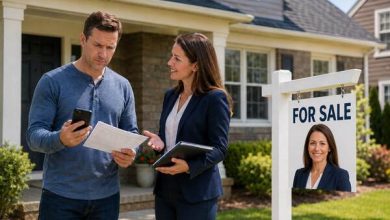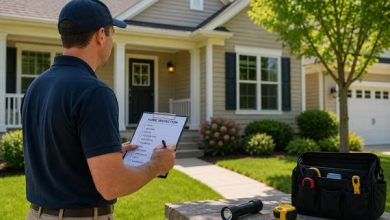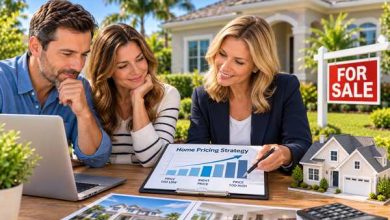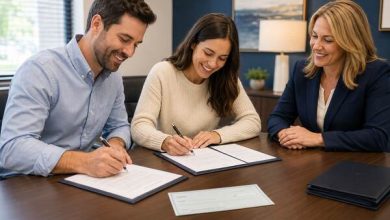
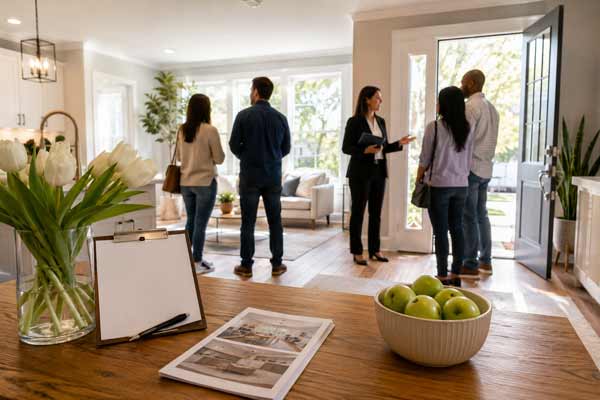
Open houses have long been a staple of the real‑estate world—a Saturday‑morning ritual, a neighborhood event, a casual walk‑through for curious locals, and sometimes the spark that leads a buyer to fall in love with a home. But behind the cookies on the counter and the front door propped open, there’s a lot more happening than most people realize.
Whether you’re a seller preparing to showcase your property or a buyer stepping inside for the first time, understanding what really goes on at an open house can help you navigate the experience with confidence, clarity, and purpose.
The Purpose of an Open House: More Than Just Foot Traffic
At its core, an open house is a marketing event. It’s designed to create exposure, generate interest, and invite potential buyers to experience the home without the pressure of a private showing. But the goals extend far beyond simply getting people through the door.
1. Creating Emotional Connection
Real estate is emotional. Buyers often decide within minutes whether a home “feels right.” An open house gives them the freedom to wander, linger, and imagine their life unfolding in the space. Without the formality of a scheduled appointment, they can explore at their own pace—opening closets, stepping onto the patio, and absorbing the atmosphere.
2. Gathering Market Feedback
Agents use open houses to collect real‑time reactions.
Is the price aligned with buyer expectations?
Does the layout appeal to today’s lifestyle?
Are there objections that keep surfacing?
This feedback becomes valuable data for sellers who may need to adjust pricing, staging, or marketing strategy.
3. Attracting Serious Buyers—And Future Clients
While open houses do attract neighbors and casual lookers, they also draw qualified buyers who are actively searching. For agents, it’s an opportunity to meet new clients, build relationships, and expand their network. Even if the eventual buyer doesn’t come from the open house, the event still strengthens the home’s visibility in the market.
What Sellers Don’t See: The Behind‑the‑Scenes Work
To the untrained eye, an open house looks simple: unlock the door, greet visitors, and answer questions. In reality, a successful open house requires strategy, preparation, and a deep understanding of buyer psychology.
1. Pre‑Event Marketing
Long before the first guest arrives, the agent has already been working:
- Posting the event on the MLS
- Sharing across social media
- Sending email announcements to buyer lists
- Notifying local agents
- Adding directional signs throughout the neighborhood
2. Staging for Maximum Impact
The goal is to create buzz and ensure the home appears everywhere buyers are looking. Agents walk through the home with a critical eye. They adjust lighting, open blinds, remove clutter, and sometimes rearrange furniture to highlight the home’s best features. The objective is to create a warm, inviting environment that photographs beautifully and feels even better in person.
3. Managing the Flow of Visitors
During the event, the agent is doing far more than greeting guests. They’re:
- Tracking attendance
- Noting buyer reactions
- Answering questions about the neighborhood
- Highlighting upgrades and features
- Ensuring security
- Guiding visitors through the home without crowding
A skilled agent knows how to read the room—when to step back and let buyers explore, and when to step in to additional information or answer questions.
Who Shows Up at an Open House—and Why
Open houses attract a mix of personalities and motivations. Understanding who’s walking through the door helps sellers interpret the feedback and activity that follows.
1. Serious Buyers
These individuals are actively searching and often attend multiple open houses in a single weekend. They’re comparing homes, neighborhoods, and price points. They ask detailed questions and sometimes request a private showing afterward.
2. Curious Neighbors
Every open house has them—and they’re not a bad thing. Neighbors can become advocates, sharing the listing with friends or family who want to move into the area. Their presence also adds energy and activity, which can create a sense of demand.
3. Casual Browsers
Some visitors are simply exploring. They may be thinking about buying in the future or just enjoy seeing different homes. While they may not be ready now, they often become future clients or referrals.
4. Investors and Flippers
These visitors look at homes through a financial lens. They assess renovation potential, rental income, and long‑term value. Their feedback can be especially helpful for sellers who want to understand how the property is perceived from an investment standpoint.
What Buyers Experience: The Psychology of the Walk‑Through
For buyers, an open house is a low‑pressure opportunity to evaluate a home. But their experience is shaped by subtle cues that influence how they feel about the property.
1. First Impressions Matter
The moment buyers step inside, they’re forming opinions.
Is the home bright?
Does it smell fresh?
Is the temperature comfortable?
Is the layout intuitive?
These sensory details can make or break their interest.
2. Flow and Functionality
Buyers often test the home’s livability by walking through the rooms in a natural sequence. They imagine daily routines—cooking, relaxing, entertaining, working. If the home supports their lifestyle, they’ll feel an instant connection.
3. Privacy and Space
Open houses allow buyers to explore without feeling watched. They can open cabinets, inspect storage, and visualize their belongings in the space. This freedom helps them determine whether the home truly fits their needs.
4. Comparison Shopping
Most buyers attend multiple open houses. They’re constantly comparing:
- Price
- Condition
- Location
- Layout
- Upgrades
- Curb appeal
A well‑executed open house helps your home stand out in a crowded market.
The Agent’s Role: Guiding, Protecting, and Selling
A great agent does far more than unlock the door. They’re the conductor of the entire event, ensuring everything runs smoothly and professionally.
1. Highlighting Key Features
Agents know which features matter most to buyers—updated kitchens, natural light, storage, outdoor living, and neighborhood amenities. They strategically point out these highlights to ensure buyers don’t miss them.
2. Answering Questions with Confidence
Buyers often ask about:
- HOA fees
- Roof age
- Insurance costs
- School districts
- Flood zones
- Recent upgrades
- Utility averages
An agent’s ability to answer clearly on most of these topics builds trust and credibility.
3. Maintaining Security
With multiple people entering the home, agents monitor activity closely. Agents due their best to ensure valuables are protected, doors remain locked after the event, and nothing is damaged or taken. However, sellers should secure valuables and sensitive information prior to the open house.
4. Capturing Leads and Interest
Agents collect contact information, follow up with interested buyers, and schedule private showings. This post‑event engagement is often where the real magic happens.
Do Open Houses Actually Sell Homes?
The truth is nuanced. While open houses don’t always produce the buyer directly, they play a crucial role in the overall marketing strategy.
Open Houses May Help Homes Sell Because They:
- Increase exposure
- Create urgency
- Generate feedback
- Attract agents with active buyers
- Boost online visibility
- Encourage private showings
- Build emotional connection
Even if the buyer doesn’t come from the open house itself, the event often accelerates the sale by amplifying interest and visibility.
Tips for Sellers: How to Make Your Open House Shine
If you’re preparing for an open house, a few simple steps can make a big difference:
- Declutter and depersonalize
- Deep clean every room
- Open blinds and curtains
- Remove pets and personal items
- Add fresh flowers or subtle scents
- Ensure the lawn and entryway look pristine
- Leave the home during the event
These small touches help buyers see the home at its absolute best.
Tips for Buyers: How to Get the Most Out of an Open House
Buyers can maximize their experience by:
- Asking questions
- Taking photos or notes
- Exploring storage and layout
- Observing neighborhood activity
- Checking noise levels
- Reviewing disclosures afterward
- Scheduling a private showing if interested
Open houses are a powerful tool for narrowing down options and discovering hidden gems.
The Bottom Line: Open Houses Still Matter
In an age of virtual tours, high‑resolution photography, and online listings, open houses remain an effective way to showcase a home. They create connection, spark emotion, and give buyers a chance to truly experience the property.
Sellers gain offer visibility, feedback, and momentum.
For buyers, they provide clarity, confidence, and opportunity.
For many agents, they’re a vital part of the marketing ecosystem.
Behind the sign on the lawn, an open house is far more than a casual walk‑through—it’s a carefully orchestrated event designed to give prospective buyers an opportunity to experience the home. When things work perfectly, open houses bring the right buyer to the right home at the right time.