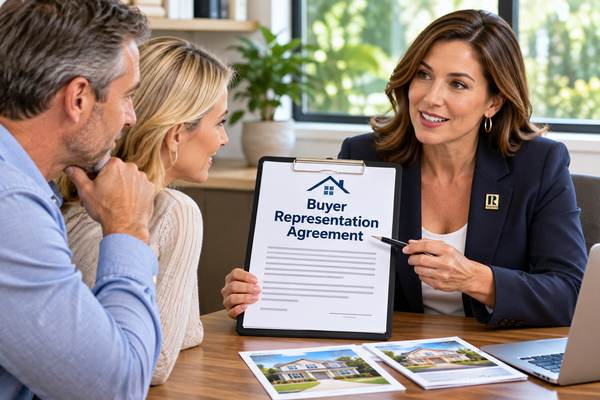
This has been one of the most asked questions from buyers the last couple of years. You may hear terms such as Buyer Representation Agreement, or Buyer Broker Agreement, commonly referred to as BBA. This may seem like an extra step in the homebuying process, but the agreement is designed to protect both the buyer and the real estate professional assisting them.
Recent changes in the real estate industry have increased transparency regarding agency relationships and compensation. Following the NAR Settlement Guide on Buyer Agreements, signing one of these written agreements is required before touring a home virtually or in person. This is nationwide and ensures that everyone understands who represents whom and what services will be provided throughout the transaction.
The length of a contract, the services provided, and the broker’s compensation are all completely negotiable. Some states, such as Florida, offer what’s called a showing agreement. These are used for a limited-scope, designed for touring a single property, with a shorter commitment. There is no “standard” range, although a 6-month agreement has been frequently seen.
It Establishes Who Is Working for You
One of the most important reasons to sign a Buyer Representation Agreement is that it clearly identifies who is representing your interests.
Without a written agreement, there can be confusion about an agent’s role and obligations. A signed agreement confirms that your agent is working on your behalf and is committed to protecting your interests throughout the buying process.
This means your agent can:
- Advocate for your best interests
- Provide strategic advice
- Help you evaluate properties
- Negotiate on your behalf
- Protect confidential information
Having an agent who is committed to representing you can be a significant advantage when making one of the largest financial decisions of your life.
It Clarifies Services and Expectations
A Buyer Representation Agreement creates clear expectations from the beginning.
The document outlines the services the agent will provide, which may include:
- Scheduling and conducting property showings
- Researching neighborhoods and market conditions
- Identifying suitable homes
- Preparing and submitting offers
- Negotiating contract terms
- Coordinating inspections
- Assisting with financing and closing processes
By clearly defining these services, buyers know exactly what level of support they can expect during their home search.
Likewise, the agreement often outlines what is expected from the buyer, such as working exclusively with the agent during the agreement period and communicating openly throughout the process.
It Creates Transparency About Compensation
One of the biggest benefits of a Buyer Representation Agreement is compensation transparency.
Historically, many buyers assumed that agent services were always free. In reality, real estate professionals are compensated for their expertise, time, and services.
The agreement explains:
- How the buyer’s agent will be paid
- Whether compensation may come from the seller, buyer, or another source
- Any potential financial obligations the buyer may have
Having these conversations upfront eliminates surprises later in the transaction and allows buyers to make informed decisions before viewing properties.
It Protects Your Interests During Negotiations
Buying a home involves much more than finding a property you like. Successful transactions require skilled negotiation, market analysis, contract management, and problem-solving.
When you sign a Buyer Representation Agreement, your agent becomes your advocate during negotiations.
They can help you:
- Determine an appropriate offer price
- Negotiate repairs and credits
- Address inspection concerns
- Navigate appraisal issues
- Review contract deadlines
- Protect your legal and financial interests
Without a formal representation relationship, the level of advocacy and fiduciary responsibility may be limited.
It Demonstrates Serious Intent
A Buyer Representation Agreement also helps establish a professional working relationship.
Real estate agents often spend significant time helping buyers by scheduling showings, researching properties, analyzing market data, and coordinating appointments. Signing an agreement demonstrates that both parties are committed to working together toward the shared goal of finding the right home.
This commitment often results in better communication, stronger service, and a more focused home search experience.
It Helps Avoid Misunderstandings
Real estate transactions involve multiple parties, including buyers, sellers, agents, lenders, inspectors, title companies, and attorneys. Misunderstandings can occur when roles are unclear.
A Buyer Representation Agreement helps eliminate confusion by addressing questions such as:
- Who represents the buyer?
- How long does the relationship last?
- How is the agent compensated?
- What services will be provided?
- What happens if either party wishes to end the agreement?
Addressing these issues upfront helps create a smoother and more predictable experience for everyone involved.
Buyers Still Have Choices
Some buyers worry that signing an agreement will lock them into a long-term commitment. In reality, many agreements can be customized based on the buyer’s needs.
Depending on the brokerage and state regulations, agreements may vary in duration and scope. Some may cover a single property tour, while others may extend for several months during a home search.
Before signing, buyers should carefully review the agreement and ask questions about any terms they do not understand. A professional real estate agent should be happy to explain the document and ensure the buyer feels comfortable moving forward.
The Bottom Line
A Buyer Representation Agreement is not simply paperwork. It is a valuable tool that establishes a professional relationship, clarifies expectations, increases compensation transparency, and ensures that buyers receive the expert representation they deserve.
Just as sellers sign agreements before listing their homes, buyers are now being encouraged, and often required, to formalize their relationship with a real estate professional before touring properties. This creates a clearer, more transparent process that benefits everyone involved.
When viewed as a partnership rather than an obligation, a Buyer Representation Agreement becomes an important first step toward a successful home purchase. By signing before touring homes, buyers gain a dedicated advocate, a trusted advisor, and a professional partner focused on helping them achieve their homeownership goals.