
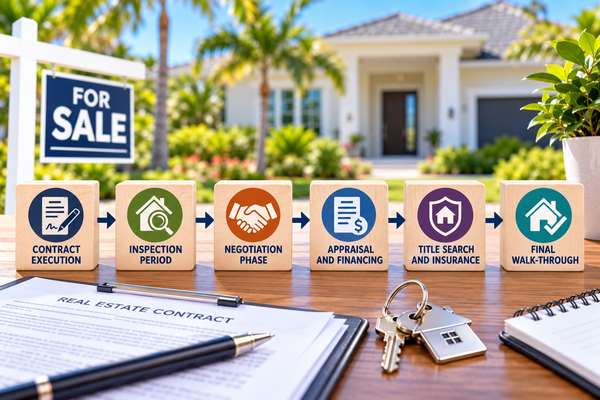
Selling or buying a home isn’t just about finding the right property or buyer — it’s about understanding the real estate timeline that makes the deal happen. From the moment an offer is accepted to the day keys change hands, every step has a purpose, a deadline, and a rhythm. Knowing what happens helps you stay calm, confident, and prepared.
Let’s walk through a typical timeline of a real estate transaction — from contract to closing — so you can see how the process unfolds behind the scenes. Things don’t always go to plan, so the process can absolutely go much more quickly or much more slowly, from my experience, this is what you can expect.
Contract Execution (Day 0)
The timeline officially begins when both parties sign the purchase agreement.
This document outlines the price, terms, contingencies, and closing date. Once executed, the clock starts ticking.
Key actions:
- Buyer deposits earnest money into escrow.
- Seller removes the property from active listings.
- Both sides receive copies of the signed contract.
This is the moment the deal becomes real — and deadlines start counting down.
Inspection Period (Day 1–10)
The buyer now has a set number of days (often 7–10) to complete home inspections.
This phase is crucial for uncovering issues that could affect the property’s value or safety.
Typical inspections include:
- General home inspection
- Roof, plumbing, and electrical checks
- Termite or pest inspection
- Septic or well testing (if applicable)
If problems arise, the buyer can request repairs, negotiate credits, or even cancel the contract under inspection contingencies.
Negotiation Phase (Day 10–15)
Once inspection reports are in, both sides discuss repairs or concessions.
This is where communication and flexibility matter most.
Common outcomes:
- Seller agrees to fix certain items before closing.
- Buyer accepts a credit at closing instead of repairs.
- Both parties adjust the sale price slightly to offset costs.
When the negotiation wraps up, the contract moves forward — stronger and clearer.
Appraisal and Financing (Day 15–25)
If the buyer is using a mortgage, the lender orders an appraisal to confirm the home’s value.
The appraisal ensures the property is worth at least the loan amount.
During this stage:
- Buyer provides updated financial documents.
- Lender verifies employment and credit.
- The appraiser visits the home and submits a report.
If the appraisal comes in low, the buyer and seller may renegotiate or the buyer may increase their down payment.
Once financing is approved, the lender issues a clear to close — the green light for the final step.
Title Search and Insurance (Day 20–30)
Behind the scenes, the title company conducts a title search to ensure there are no liens, unpaid taxes, or ownership disputes.
This protects both buyer and lender from future legal issues.
Key milestones:
- Title report delivered to all parties.
- Title insurance policy prepared.
- Closing documents drafted.
This step is often invisible to buyers and sellers, but it’s one of the most important safeguards in the entire process.
Final Walk‑Through (Day 30–35)
Just before closing, the buyer visits the property for a final walk‑through.
This ensures the home is in the agreed‑upon condition and any repairs have been completed.
Checklist for buyers:
- Verify all appliances and fixtures are present.
- Check that agreed repairs are done.
- Confirm utilities are functioning.
- Make sure nothing has changed since the last visit.
It’s the buyer’s last chance to raise concerns before signing the closing documents.
Closing Day (Day 35–40)
The big day arrives!
Both parties meet (often separately or virtually) to sign the final paperwork.
Funds are transferred, the deed is recorded, and ownership officially changes hands.
What happens at closing:
- Buyer signs loan and title documents.
- Seller signs deed transfer and receives proceeds.
- The escrow officer records the transaction with the county.
- The buyer gets the keys — and the home is theirs.
Congratulations — the transaction is complete!
Bonus: Post‑Closing Tasks
Even after closing, a few final steps remain:
- The buyer sets up utilities and changes the mailing address.
- Seller cancels homeowner’s insurance.
- Title company sends recorded documents and final settlement statements.
- Agents follow up for testimonials or referrals.
These finishing touches wrap up the journey and mark the official end of the transaction.
Please be advised that these timelines are strictly estimates, as each transaction is unique and deadlines may vary based on the specific location. I highly recommend that you consult with a trusted real estate professional in your area to provide expert guidance. Always feel free to reach out to me directly to be connected.